Exhibition. Fönstret
Leonard Vincent Rode: Memory Landscape I & II
Leonard Vincent Rode
20230615 - 20230811
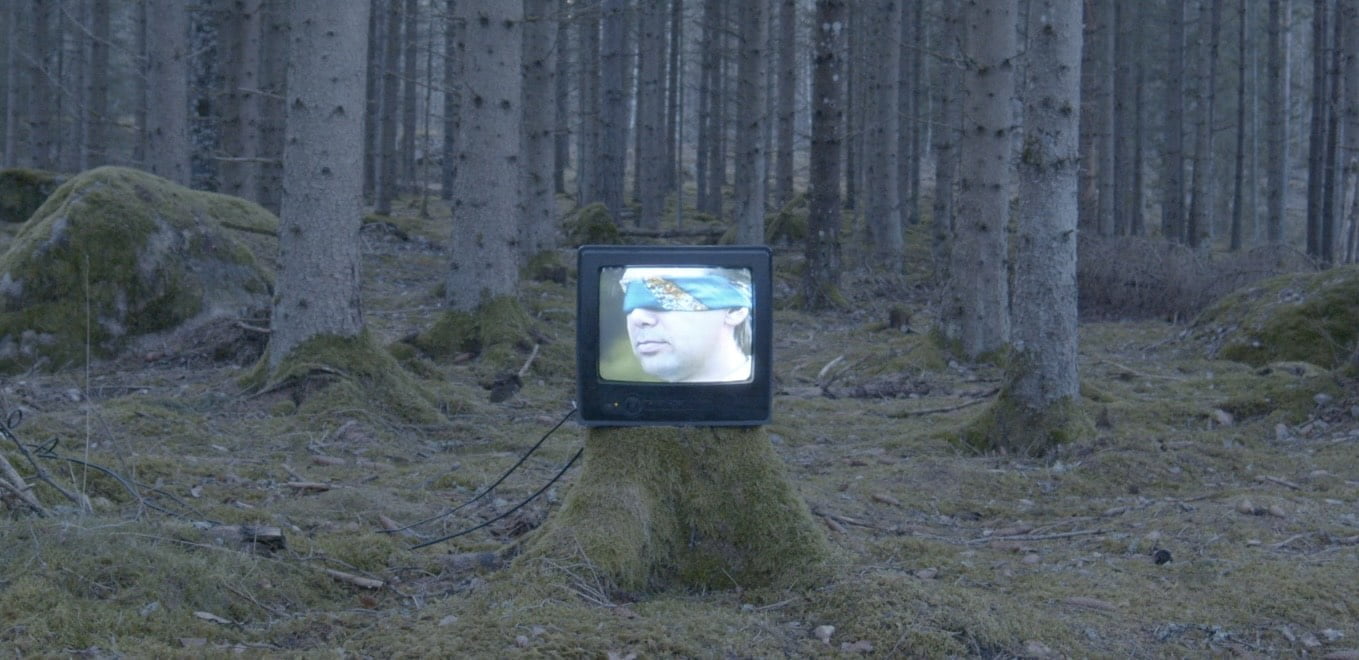
By documenting photo and film material and physically placing them in the landscape, Leonard Vincent Rode makes memories a part of the landscape’s history.
The theme of the work is about anchoring memories in the landscape, thereby creating a common understanding and sense of belonging. By documenting photo and film material from the artist’s family archives and physically placing them in the landscape, the memory becomes part of the landscape’s history.
The film work emphasizes the physical existence of memory through its materialistic form. By existing in the landscape as a physical manifestation, the memory becomes real and reaches people in a way that simply telling about it would not. It also creates a sense of authenticity and gives the viewer the opportunity to experience the memory in a more complex way. The work carries a melancholic feeling by emphasizing the past nature of memory. It is as if the memory still exists, but at the same time it is gone and lost.
The work also shows how memories can function as a statement that insists on its existence and history. By making the memory physically visible in the landscape, it becomes a reminder of history and what has been. It can also serve as a reminder of the people, events or places that the memory is associated with, and thus keep them alive in the public consciousness.
Leonard Vincent Rode (b. 1994) is a Swedish visual artist and filmmaker who formulates complex narratives through sculpture, installation, photography and film.
In recent years, he has been working on processing wounds from his family’s history with the aim of achieving a collective healing, where he creates physical scars that function as monuments and help both himself and his family members find closure.
The process often consists of recreating scenes, events, interpretations and memories from his own and his family’s lives, where he often integrates the actual people and landscapes on which the work is based.