Exhibition. Galleri CFF
Libuše Jarcovjáková: T-Club
20250125 - 20250412
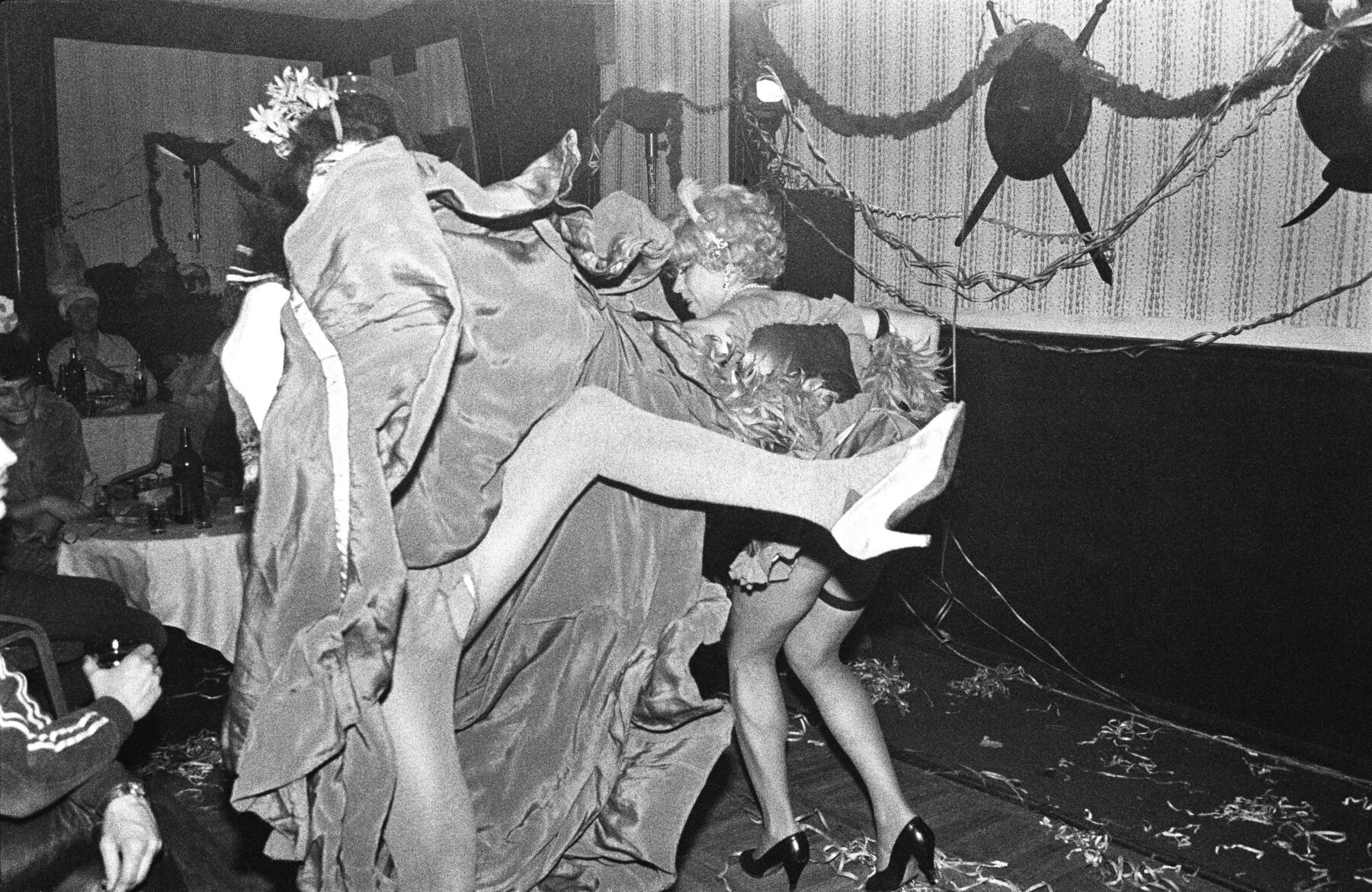
In the exhibition, Libuše Jarcovjáková invites viewers into the colorful and vibrant community of the T-Club. With her sharp flash, she illuminates events, atmospheres, and personalities in the famous bar in black and white images. The photographs were taken between 1983–1985 in communist Prague and show an everyday life and joy stronger than factors such as class and sexual orientation.
In the early 1980s, the communist regime’s iron grip eased somewhat. Suddenly, it was possible to create meeting places that the majority society did not want to see. Spaces where LGBTQI people could meet. Gays, lesbians, and trans people – when they called themselves that, it sounded almost affectionate; when others spoke of them, there could be a hint of mockery or distaste in their voice.
Sex between same-sex couples ceased to be a crime in Czechoslovakia in 1961, but in practice, it did not mean much for LGBTQI people’s everyday lives. If someone was reported by a citizen deemed “respectable” by the regime, they risked punishment and imprisonment. However, a greater threat was being exposed to family and friends – a fear that the ever-present secret police (StB) gladly exploited.
There were two LGBTQ+ clubs in Prague; the pub U Voka and T-Club. Libuše visited both and liked to hop between them with her friends during the evening. She preferred to go to T-Club, or “Téčko”, as the bar was called, in the center of Prague, just tens of meters from the dreaded Bartolomějská Street where the StB had its headquarters. The club was a place for diversity. People from all social classes were welcome there, regardless of orientation, gender, age, or ethnicity.
Libuše perceived this world as an oasis of freedom. At Téčko, however, she mostly photographed on special occasions – birthdays or New Year’s celebrations – because some visitors did not want to be associated with the place in everyday life.
– Lucie Černá, curator
Libuše Jarcovjáková (*1952) has been photographing since the 1970s. Through visually striking photographs, she has documented her life, her feelings, and her surroundings. For a long time, she portrayed the LGBTQ+ community of the time, as well as the Roma and Vietnamese groups in Czechoslovakia. In the late 1970s, she made her first stay in Japan, where she returned twice more in the 1980s. To escape the boredom and lack of freedom in communist Czechoslovakia, she married to obtain citizenship in West Berlin in 1985. Since 1992, she has lived in Prague again.
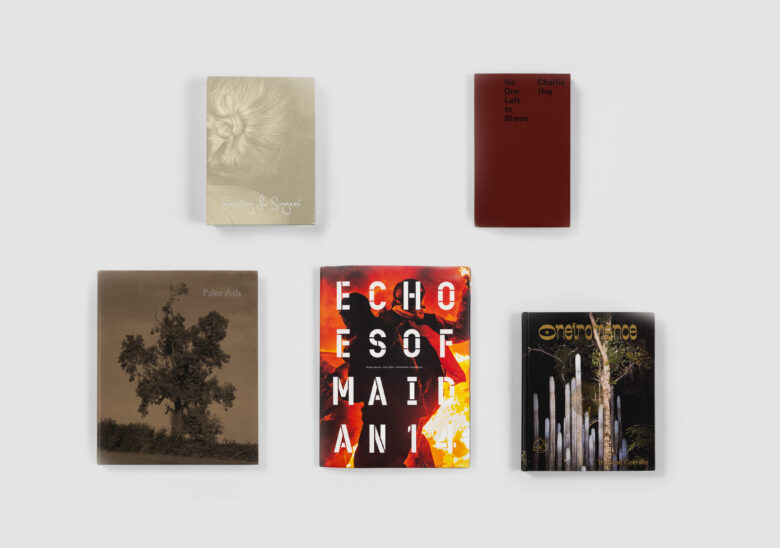
In connection with the exhibition, the book T-Club (Untitled publishing, 2024) will be released, which provides a unique insight into the alternative existence of the legendary LGBTQ+ club in Prague in the 1980s.
During the Tempo Documentary Festival, March 3–9, the film “I’m Not Everything I Want to Be” will be shown. The film tells her life story through Libuše Jarcovjáková’s images and diary entries.
The exhibition is a collaboration with the Czech Center Stockholm with the support of the Czech Embassy in Stockholm and is part of the Tempo Documentary Festival.